


Returning to Mexico City: What I'm Learning About Food, People, Taste, and Creative Leadership
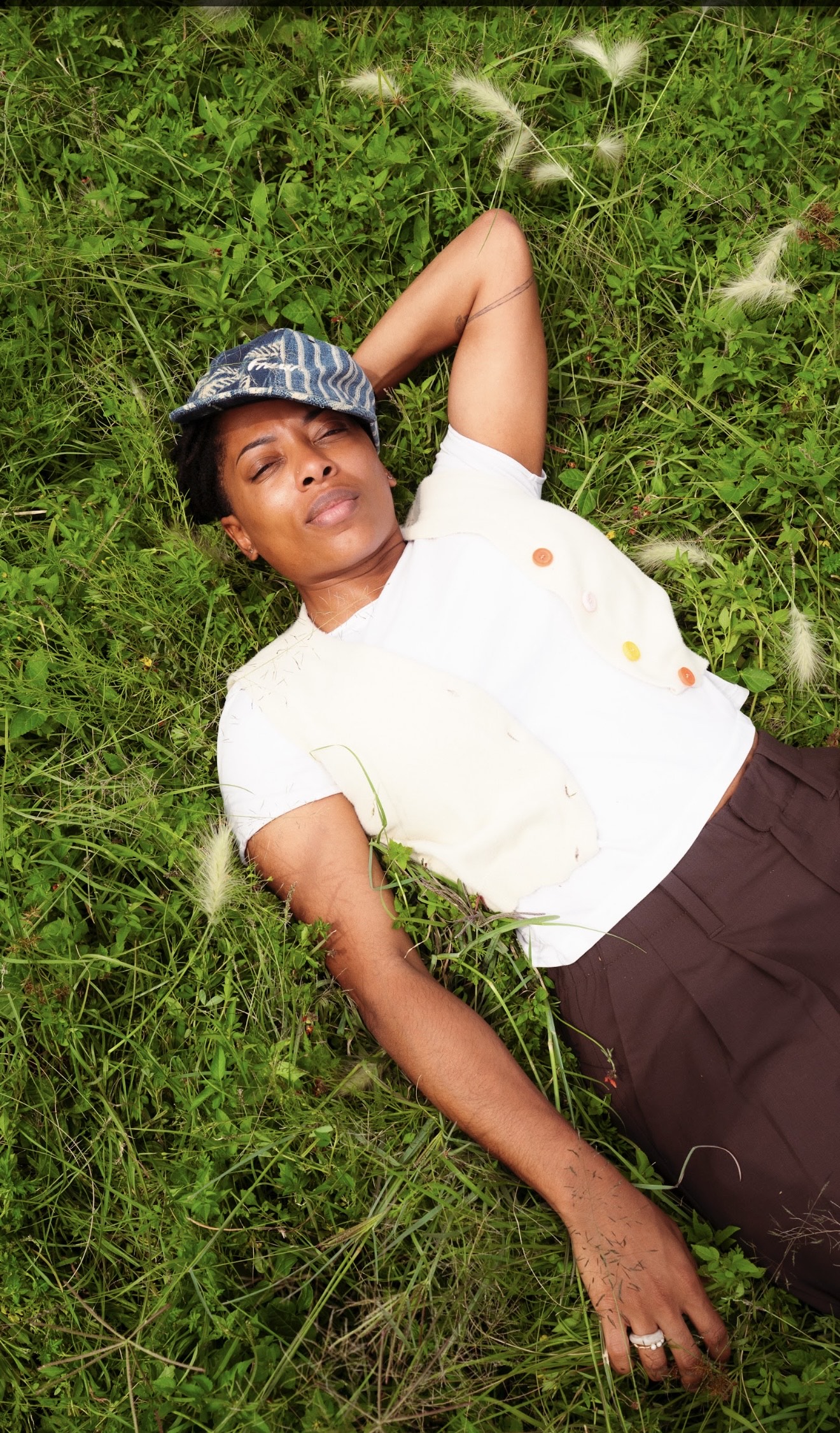
Mexico City doesn't ask you to perform. It asks you to pay attention.
I've been coming back here for years, and every time the city teaches me something I thought I already knew. This time, I arrived differently—quieter, less certain, more open. Big transitions in growth can do that. So does building a company in an industry that treats food like fuel and forgets it's also memory, identity, survival.
This year, I'm not here to extract inspiration. I'm here to let the city recalibrate me.
Food Is Not Content. It's Infrastructure.
In Mexico City, food is 90% system, 10% spectacle.
You feel it in the morning markets, where women move through stalls with the precision of surgeons. A tortilla here has lineage—masa ground by hand, shaped by rhythm, cooked over comal with timing you can't fake. Recipes aren't hoarded as secrets. They're protected as responsibilities.
Flavor isn't optimized for virality. It's optimized for continuity.
As someone who builds nutrition technology for a living, this matters more than I can articulate in a pitch deck. We talk endlessly about innovation in food—new ingredients, faster supply chains, AI-driven personalization. But innovation without reverence for the infrastructure collapses. Fast.
What I'm learning:
- ~70% of food innovation fails not because the idea was bad, but because it ignored supply chains, labor realities, or the cultural weight of what came before.
- Taste travels slower than technology, and that's not a problem to solve. It's a feature.
- If you don't understand where ingredients come from—the soil, the hands, the history—your strategy is decoration.
Good food systems are quiet, resilient, deeply human. They don't announce themselves. They just work.
People Are Not Resources. They Are Signals.
Leadership in Mexico City is relational, not extractive.
People here remember who shows up. Who listens before proposing. Who pays fairly and doesn't ghost when the project ends. There's a long memory in this city. Burn one bridge and the entire map redraws itself around your absence.
This year, I'm learning to lead with fewer words and better follow-through:
- 80% of leadership credibility doesn't come from vision decks or TED talks. It comes from doing what you said you'd do.
- Trust compounds slower than capital, but it has a longer half-life.
- Community isn't built by branding campaigns. It's built by showing up when it's inconvenient.
In food, in business, in relationships, people watch how you move when no one is applauding.
Taste Is a Discipline, Not a Personality Trait.
Mexico City sharpens your palate and your judgment in equal measure.
Taste here isn't about abundance. It's about balance. Acid cuts fat. Heat meets restraint. Old techniques bend slightly toward evolution, but never break. Nothing is accidental.
As a creative director—both for my company and for how I'm trying to shape my life—this is the reminder I need most:
- Taste is trained through exposure, repetition, humility. Not ego.
- Saying "no" is often the most refined decision you can make.
- Clarity beats cleverness about 85% of the time.
The best creative strategies feel inevitable in hindsight. That's not magic. That's ruthless editing.
Creativity Thrives Under Constraint.
Mexico City creates within limits—space, money, materials, history. And yet the output is endlessly inventive.
Street vendors turn three ingredients into twenty variations. Architects build upward because there's nowhere else to go. Artists work with what's available and make it sing.
This is the lesson I'm carrying into this year:
- Constraints force prioritization.
- Prioritization reveals values.
- Values shape culture.
In my work across food systems, AI, and creative strategy, I'm learning the goal isn't more. It's truer.
What I'm Taking With Me
Returning to Mexico City this year feels less like escape and more like recalibration.
I'm learning to build food systems that don't just move fast, but move with care. To lead teams without extracting every ounce of energy in the room. To trust my taste over whatever trend is currently demanding attention. To create work that lasts longer than a social media cycle.
Mexico City doesn't reward urgency. It rewards presence.
And at 37, building a company, trying to become the kind of leader I'd want to follow—that might be the most important thing I'm learning.
The city is teaching me to slow down just enough to see what's actually in front of me.
To pay attention.
To stay.