





I offer three key services to the world, catch me below.
Building
I build and collaborate on innovative solutions that merge creativity with global impact.
Writing
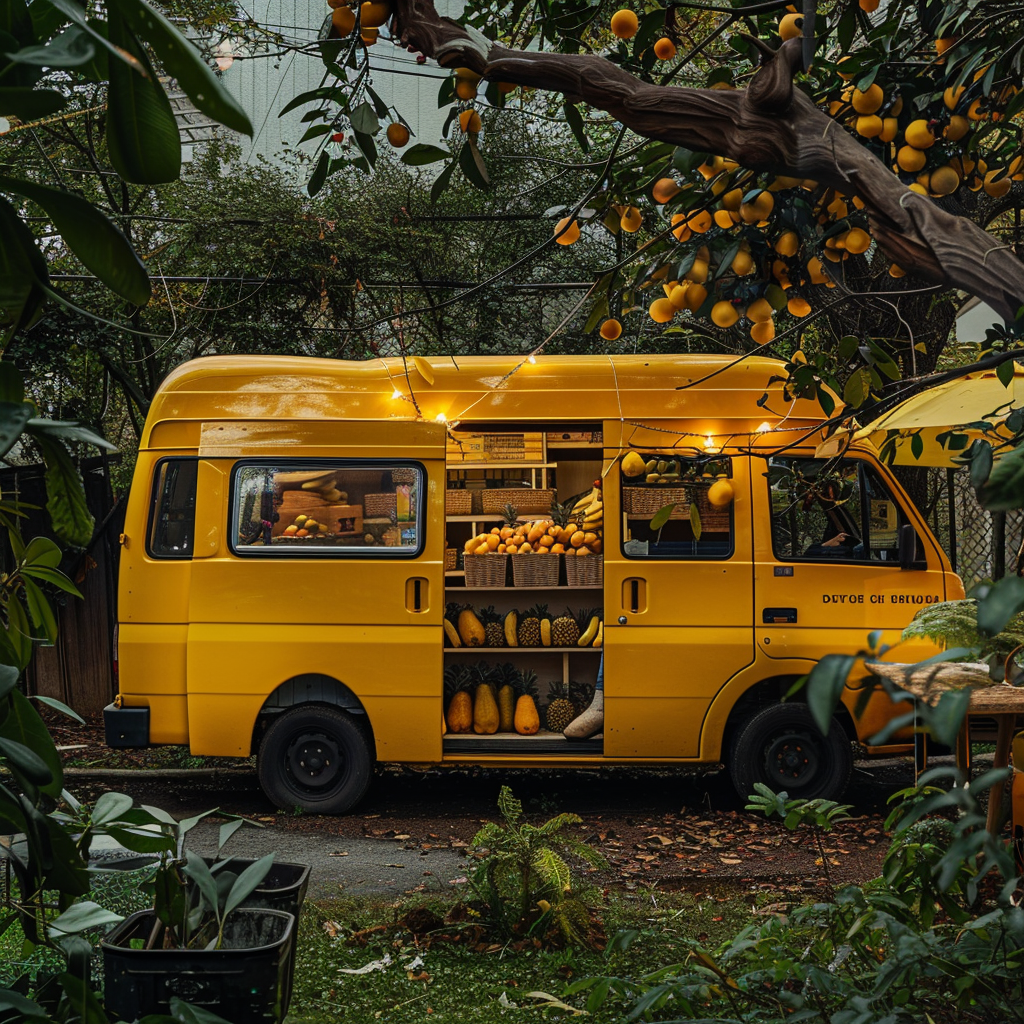
I write newsletters, scripts, and now a book to help us connect culture to AI, food, and new ways of doing.
Speaking
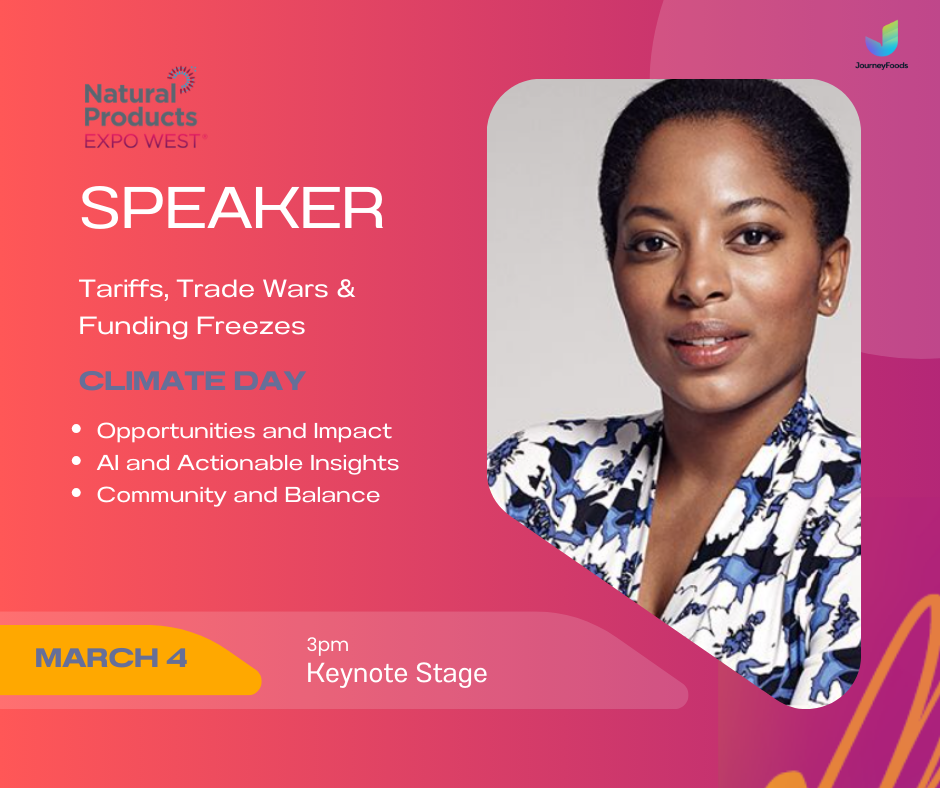
Inspiring digital and in-person crowds to design and imagine through keynotes, panels, and workshops.
Recent Work
"Riana always blows me away with her ability to connect consciousness with business and creativity."
Rick Kolsky
Sometimes I have pretty insightful things to say consider these figures:
13,459+
241
1
Thoughts
Follow my blog for insights on tech, nutrition, and entrepreneurship, where I share random musings, events, speaking engagements, expert tips, and inspiring interviews—all through the lens of my life as a creative scientist.
When someone asks me what keynote speaker topics are working right now, I don't hand them a list. I give them a framework. Because the topics that move audiences in 2026 aren't the ones trending on LinkedIn this week — they're the ones that meet your audience exactly where they are and leave them with something they couldn't have gotten from a Google search. I've been on both sides of this. I've sat in conference rooms where a speaker delivered a technically flawless talk that nobody remembered by lunch. And I've been in rooms where a single idea shifted the energy so completely that people were still talking about it on the shuttle back to the hotel. The difference almost never comes down to the topic itself. It comes down to how the topic was chosen, framed, and matched to the moment. If you're a conference director or event planner trying to fill a speaker slot, here's the framework I'd use.

Food has always made for great cinema. The drama of a kitchen, the politics of a harvest, the intimacy of a shared meal — these are stories that cut across every culture and every era. But when your career sits at the intersection of food science, AI, and food systems, watching a food film becomes something more layered. You notice what the story gets right about how ingredients actually behave. You catch the moments when the narrative romanticizes supply chains that are, in reality, fragile and deeply unequal. 2025 gave us a lot to work with. This roundup pulls from narrative films, documentaries, and streaming series that made waves this year — assessed not just as storytelling, but as windows into the real science, culture, and economics of how we grow, cook, and eat.

Most conversations about the future of food industry trends hover at 30,000 feet. Climate pressure, protein diversification, supply chain fragility, AI-driven agriculture — the framing tends to be urgent and abstract at the same time. Big problems, vague solutions, no real map for getting from here to there. This article offers something more grounded: a practical framework for thinking about where food is actually going, built from the perspective of someone who has spent years not just analyzing the system but operating inside it.